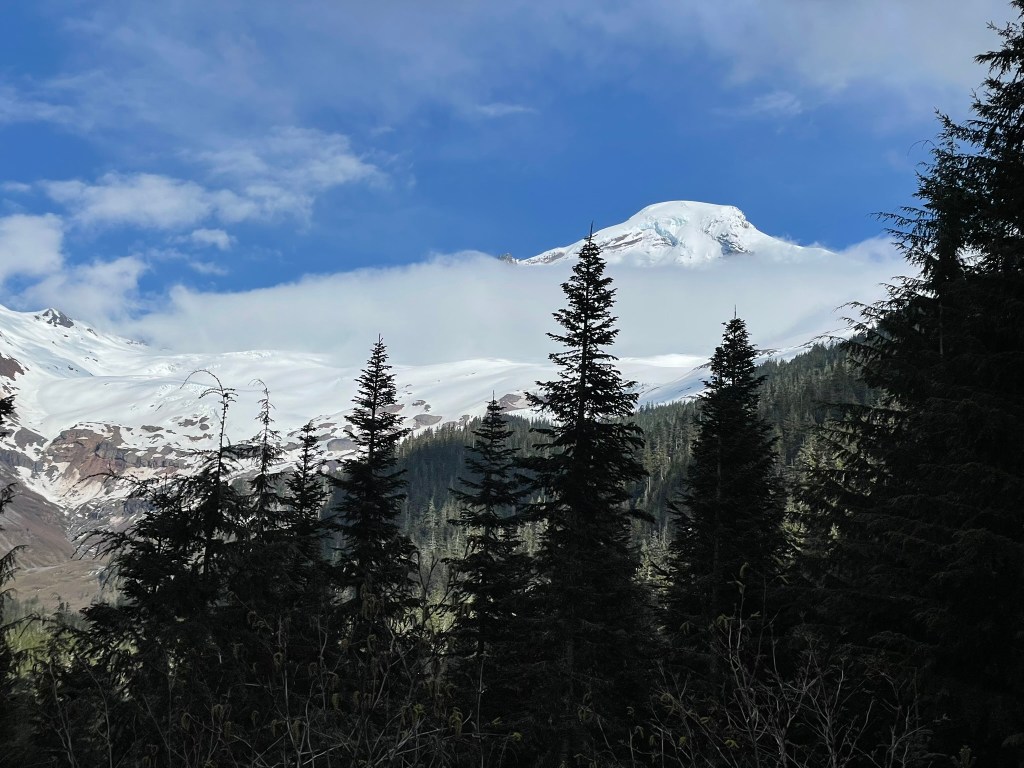
As winter turned to spring I had one last big ski trip on my mind. Backcountry skiing takes a lifetime to master and if I ever wanted to venture out of the Sierras and into bigger terrain I’d have to keep on learning each year. For this season, my obsession was with camping and climbing on the glaciers of the Pacific Northwest. Massive piles of snow slowly accumulate on these high latitude peaks and eventually form ice sheets hundreds of feet thick. When combined with a huge prominence above the valley floor, many of the peaks within the Cascade Range form glaciers. And for the average climber they generally require some intermediate snow camp on the way up. Unlocking this skill set opens up a huge amount of terrain all across the world. The Canadian Rockies, European Alps, and the Alaskan ranges are just a few examples of this and all come with their own unique challenge. For this trip I had my eyes on Mt. Baker: a 10,000 ft volcano north of Seattle known for its big glaciers and incredibly good skiing. Luckily enough, two of my good skiing friends Meredith and Ryan were also residents of Bellingham nearby and graciously offered their place as a retreat for the weekend. All that was left was to put together the final crew, find a guide, and prepare for an epic adventure on Mt. Baker.

Turns out this trip would be a big logistical challenge to organize. Glaciated ski mountaineering is a super niche activity. Most of my friends could either handle backcountry skiing or climbing with ropes and natural protection. Meredith and her friend Sof fit the first bill, they were local to the area and great skiers both in and out of bounds. But they were less familiar with building anchors, tying knots, and operating in big alpine terrain. On the other hand my two LA friends both had a good amount of alpine trad experience, but had not been backcountry skiing much at all. So to plan the trip I had to bridge this gap and take on some responsibility that the trip would still go smoothly. First off I wound up hiring a guide. This is something I generally try not to do both for the cost and the adventure of finding my own way. But in this scenario we had a full group willing to split the cost and we’d be getting our money’s worth. With our own guide we could tailor the experience to what we were looking for: maximizing our experience on Mt. Baker, learning how to traverse glaciers, how to preform crevasse rescues, and how to camp in harsh environments on snow. Normally pre-set courses will do this over 3-4 days and cover most of the technical skills in town with accessible snow banks in leu of real crevasses. Instead if we came in prepared, we could skip this intro and try to summit for real while also getting trained on the glacier proper. Eventually we agreed on spending 3 days on the mountain. The first day we’d climb up the North side of the mountain adjacent to the Coleman Glacier to set up camp. Depending on the weather, the next two days would be spent learning crevasse rescues, attempting a summit push, and descending back to the trailhead. All that was left to do was prepare and make sure the whole group was ready to take on a huge amount of learning and climbing in a relatively short amount of time.
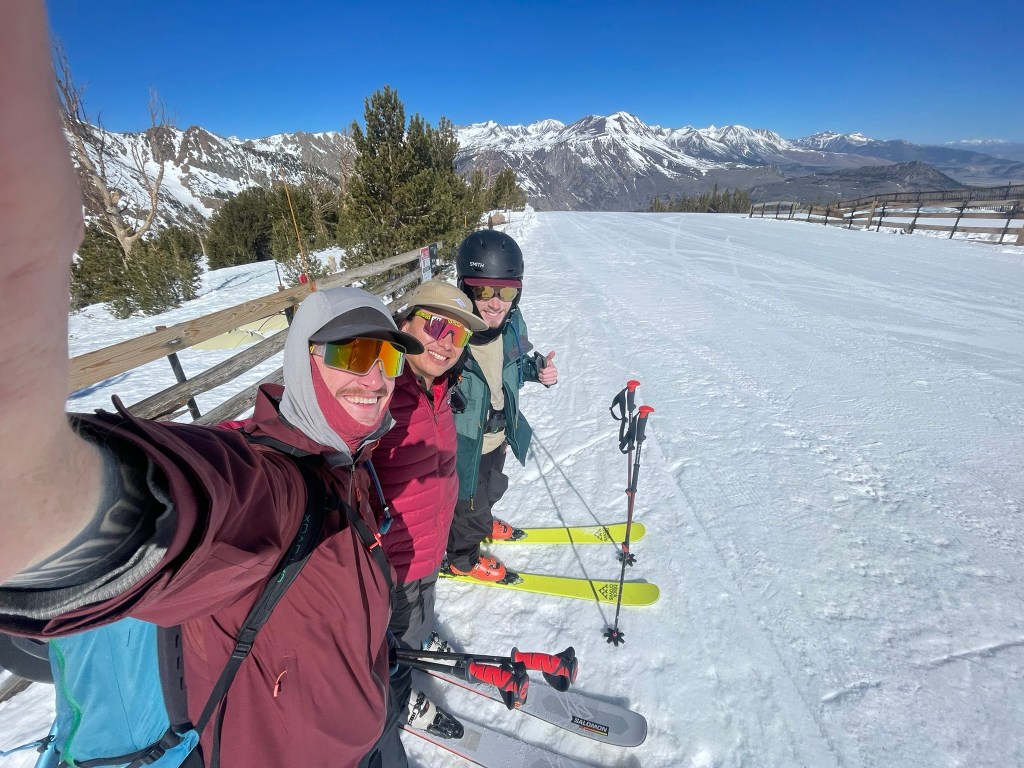
In the months prior, I worked on getting both groups ready for the challenge. Trevor and Tanner were my LA friends with less experience ski touring, and I promised them at least one tour together to flush out their legs. In April we pulled the trigger and drove out to Mammoth Lakes for a weekend of skiing. We wound up spending that Saturday touring in the June Lake side country, one of the more scenic areas of the Eastern Sierra (See https://maxhalk.com/2025/04/26/25-spring-touring/ for more). Although we had some challenges on the way up and down, we all felt pretty good about the trip and agreed we were ready for the real thing. Meredith and Sof had the opposite problem and we made up for their lack of experience in rope skills with some good old fashion zoom calls. We had a list of pre-requisite knots and I bribed the whole group to learn them with confidence with the promise of some candy bars I’d haul up to the summit. Before I knew it, April turned to May and we were only a few days out from the trip. At this point I had put in way more work planning than I had expected, but knew it’d pay off with a hopefully smooth travel up the glacier.
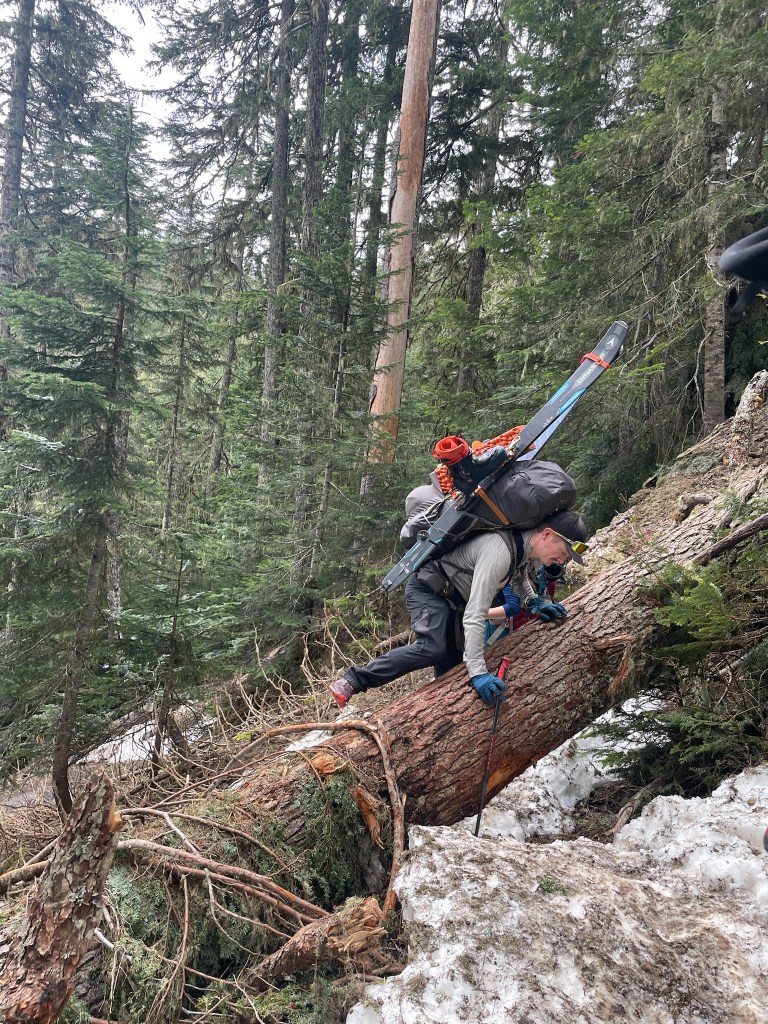
Trevor, Tanner, and I flew out to Seattle on the next Friday afternoon and made the two hour drive to Bellingham to meet Meredith and Sof. There we had a great dinner thanks to Ryan and threw our gear into a big pile in their downstairs basement. Packing took forever and we made a stop in typical fashion to the nearest mountaineering store for good measure. The next morning we’d wake up early again to meet our guide John at the local climbing shop. Thankfully we had time to pull out all of our gear and repack, which helped me feel better about remembering all of our gear and that I had the lightest pack possible. With overnight gear, ropes, and skis we would all be carrying around 60 pounds to and from camp on the glacier. Putting the whole bag together looked a big ridiculous and putting it on back was taxing and bad for my balance. But this was not surprising for our objective and we hastily left for the trailhead. That day the weather was quite gloomy, the valley was clear but the alpine terrain was masked in a thick shield of clouds. This is typical for the area, which is a sort of temperate rainforest in the tree line and below. We knew that climbing towards the tree line would most likely bring rain and snow.
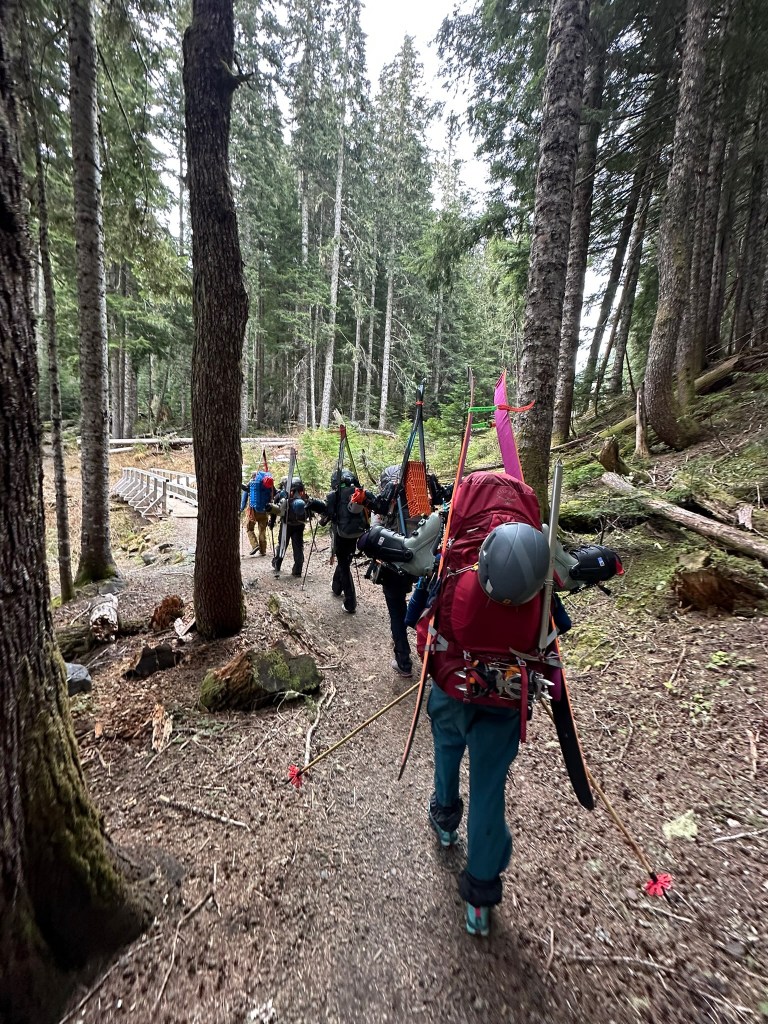
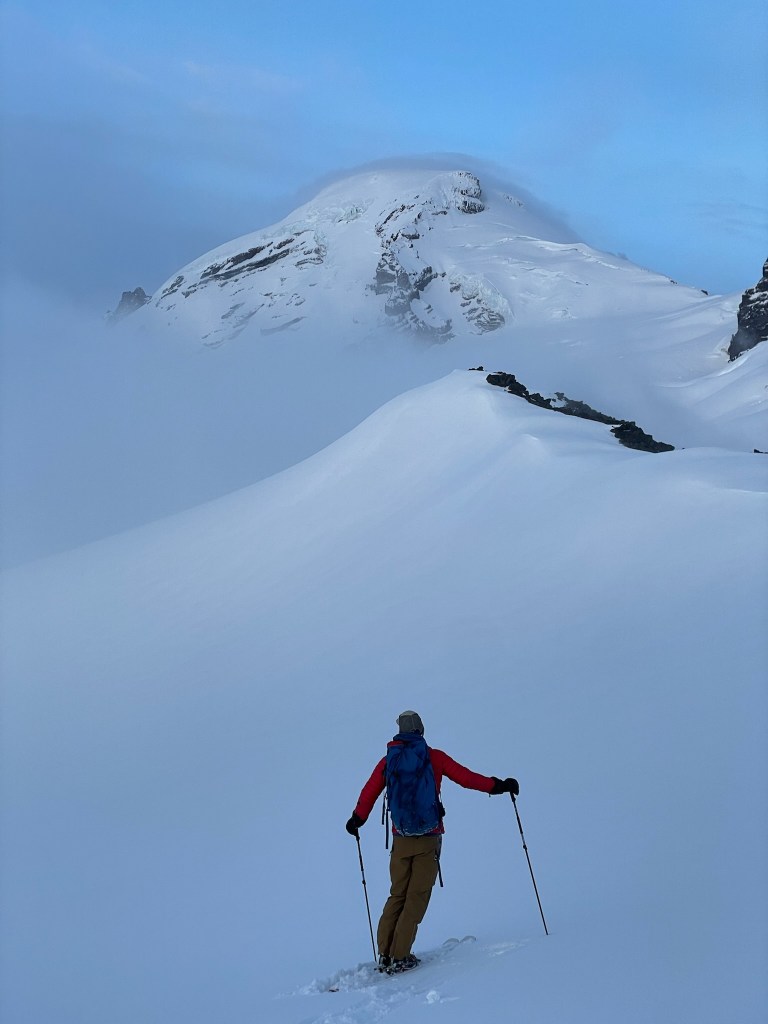
It wasn’t long after we arrived that we set off for the Heliotrope trailhead, which would deliver us into the alpine. The trail itself was well maintained and beautiful. The trees were covered with thick and vibrant green moss while the rivers rushed with peak snow melt. After a few miles we saw the first bits of snow, which looked like mini glaciers of their own tucked into the bottom of gullies and riverbeds. We cross some of these rivers and snow patches still in our hiking boots before eventually making it to the first region of continuous snow. It was also raining at this point and I could feel my shoes and outer layers progressively getting soaked in. In total we were only climbing maybe 2500 ft that day and the majority of this was not on skis. Finally transitioning to skinning and taking them off our backs was a big relief. My pack was still heavy, but zig-zagging up the next gully on skis felt way more efficient and got me excited for what was ahead. A few more kick turns up the gully later and we could see some other climbers making their descent down the ridge above. Once we got there ourselves the whole environment dramatically changed. What was a sheltered and snowy forest was now an immense and rugged alpine environment. To our left was the Coleman Glacier, which was littered with crevasses and ended in an imposing icefall that shattered into the drainage below. Above us was the summit of Mt. Baker, shrouded in a thick set of clouds that rained and snowed down on us still. Every once in a while we’d get a new portal through the clouds and see some other vast expanse of rock and ice. Before I knew it were had gained the ridge and were ready to set up our camp for the weekend.

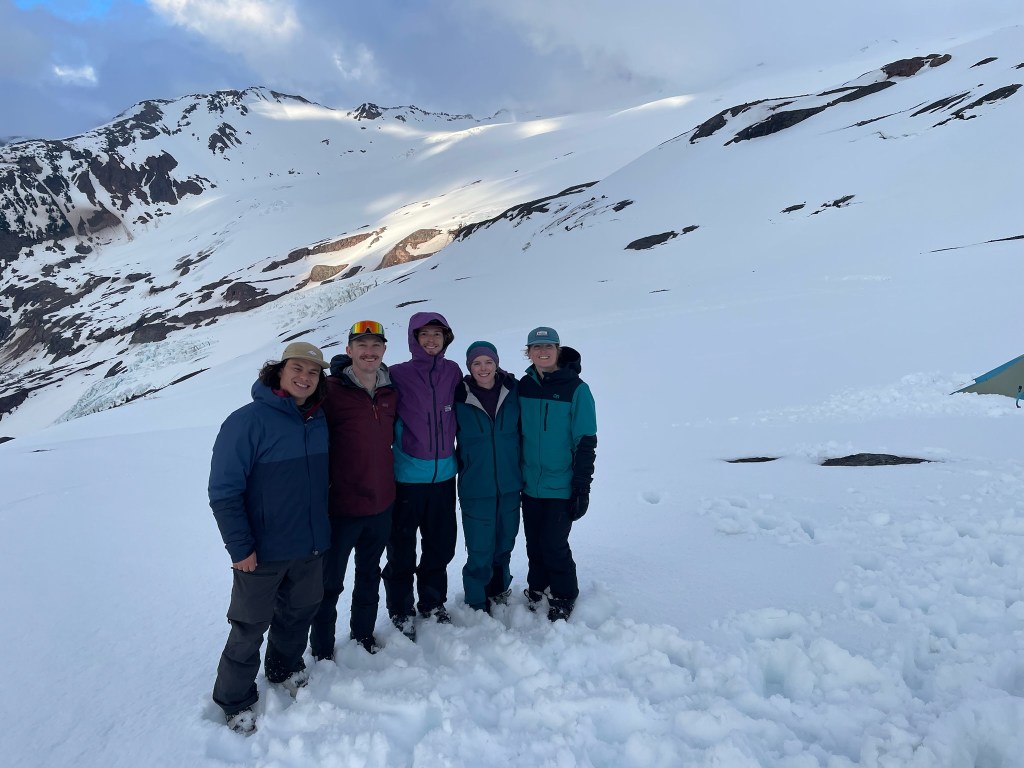
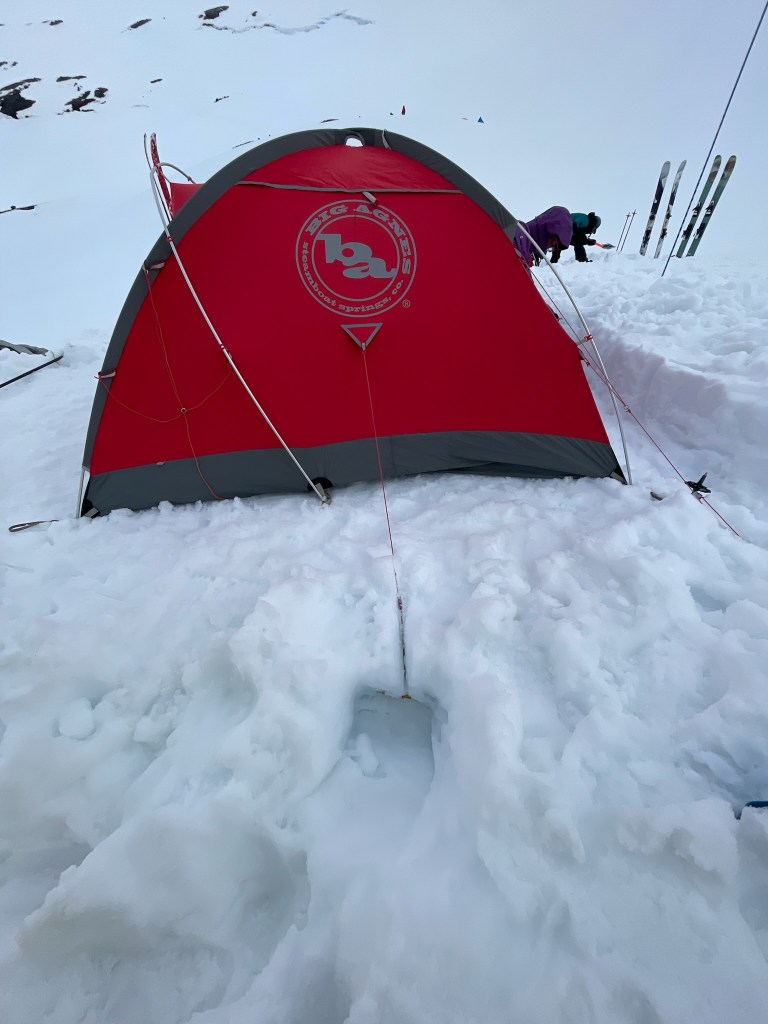
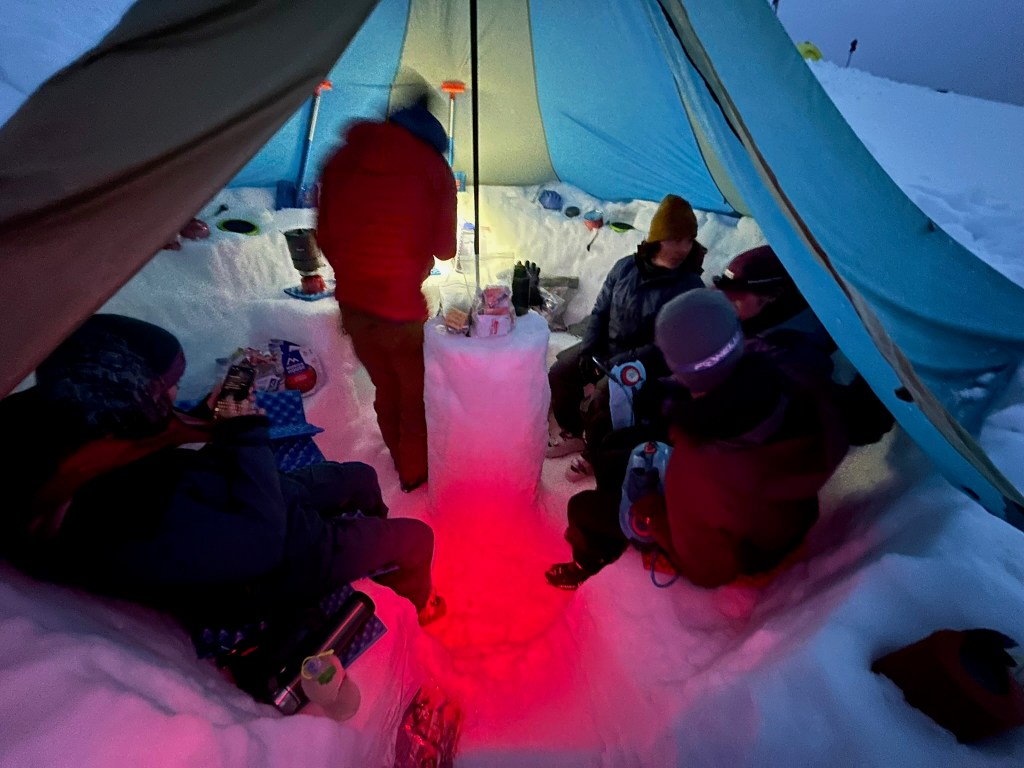
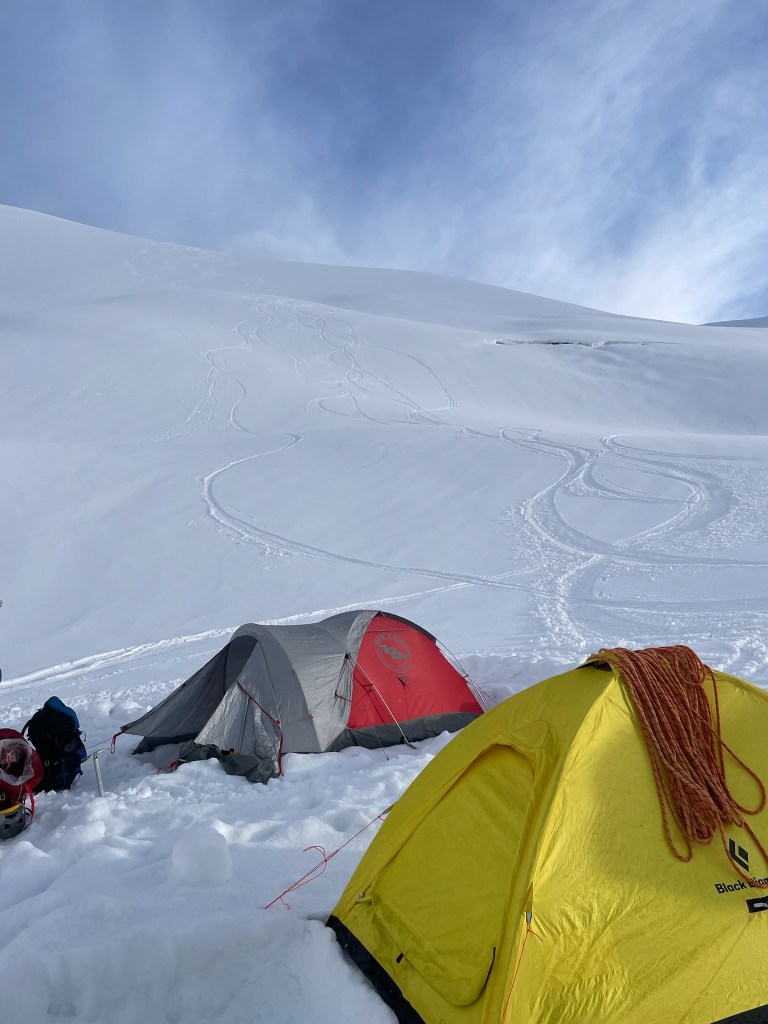
Snow camping is difficult. It requires setting up a space that you can comfortably eat and sleep regardless of the surrounding conditions. It was also collectively our first time taking this on. Our guide John quickly put us to work digging out some flat platforms for our tents to start. We carefully mapped out an area a little bigger than our tent, dug snow out from one higher end, and plopped it onto the adjacent lower end for proper flattening Next we pulled out the tents and carefully staked in 10 guidewires by digging some deadman anchors (basically a trench for the stakes that was then filled in with snow to prevent them from moving. The rainfly for the tent also extended a few feet from its entrance, so for extra comfort we also dug that section out as a ‘garage’ perfect for booting up in the morning. These were all great skills to learn, but took forever to get right and felt like endless digging in the snow. The last thing on the list for that evening was to set up the kitchen for the weekend. This was a separate communal space meant to shelter the six of us in one location, cook meals, and eat in comfort. John pulled out the ‘mid’ for this, which was a pyramid shaped tent with one central pole to keep the thing up. This was the most fun part of camp building, as we constructed an elaborate kitchen consisting of an entrance staircase, a circular bench for seating, a countertop for cooking, and a central pillar for the sole tent pole. It took another hour or two to construct, but when we were finished we could relax and cook dinner in luxury. Evening had come at this point and we were all famished from the long hike up and crazy amount of digging for camp. But our reward was awesome: dinner with friends and a view of the ridge circling the Coleman Glacier. It was a pretty surreal camping site and probably my favorite to date. That night we chatted about what might happen the following day. The original plan was to spend it learning the ropes and jumping in crevasses, but the weather was not exactly cooperating. It is inherently difficult to judge what would come, but Meredith could check every once in a while on her Garmin inReach and saw we might have our best chance for a summit push the next morning. I was pretty excited at that point and made my way to bed for an early rise.
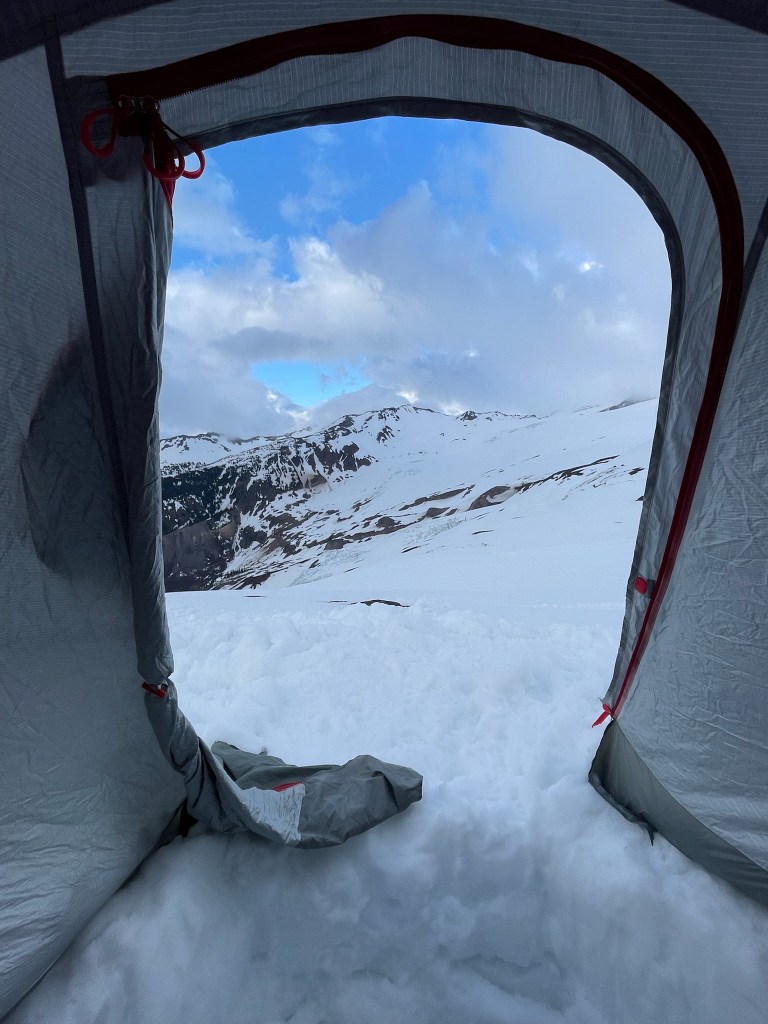
Soon enough I was up in the morning and begrudgingly put on some mildly wet ski boots. Luckily we had hot drinks and breakfast ready in the kitchen, which served as our mission planning headquarters for the day. We knew the weather and summit headwall conditions were both mixed, but figured it was still worth a shot. Getting to the summit would be about 5000 ft of gain, but thankfully with lighter packs. First we slowly made our way back to the ridge and set foot on the Coleman Glacier for real at its crest. On the way we learned how to identify convex and concave regions of terrain that either pose more or less risk for crevasses to form, respectively. Crevasses could be covered completely with snow and be seemingly impossible to spot. Luckily our route was mostly clear of these hidden hazards, but the risk meant potentially falling many feet into the abyss. This was part of the reason we hired a guide who knew the route well. We avoided terrain to our left, which had massive cleavers of ice that rose and sunk dramatically at the surface of the glacier. At this point we also put our harnesses on and could see the next obvious milestone: the saddle between Mt. Baker’s summit and the adjacent Colfax Peak. Looming above was the Colfax icefall, which was a Serac hundreds of feet thick that hung a thousand feet above us. We traversed quickly through this section as seracs periodically and randomly can cleave off into a massive icefall event. Luckily these are super rare, but still posed an ominous threat as we passed underneath.
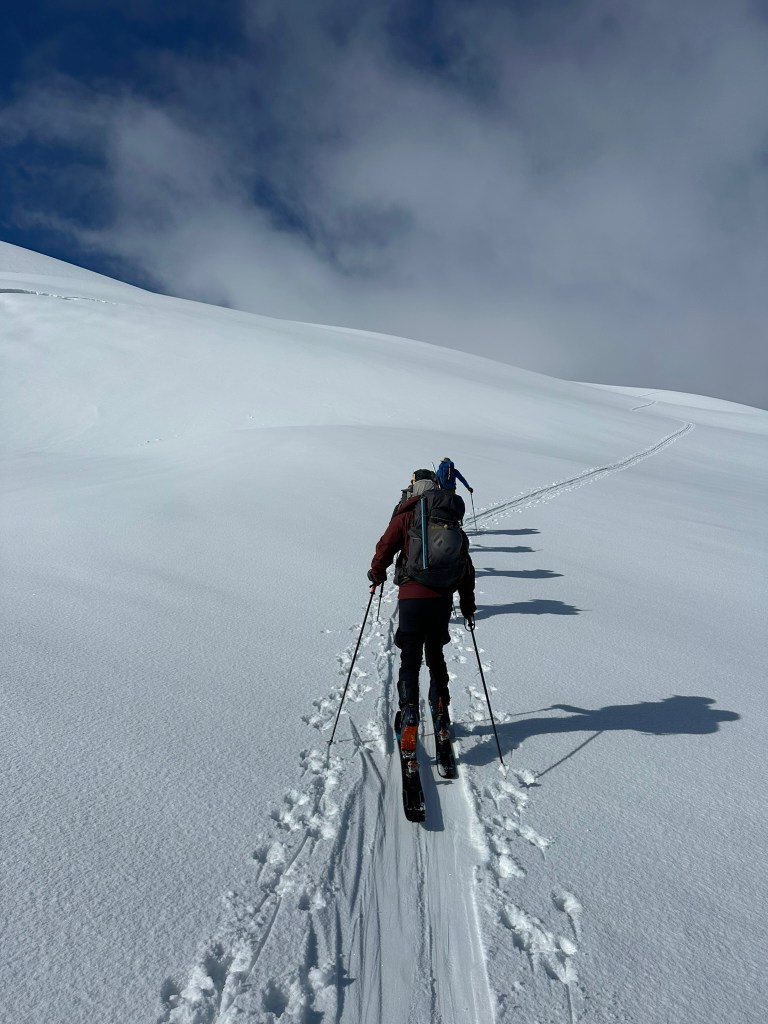

Thankfully we cleared this section without much of an issue. The group was a bit tired and the weather was still not perfect, but the six of us made it to the col and took a much needed rest. Unfortunately this was still not our day. The summit ridge was a hardpack of variable conditions, mainly ice. Climbing us this section would require the group to be ‘short roped’ and we’d likely have to downclimb the headwall instead of skiing. Combined with the fact that this additional 1500 ft or so of elevation would put us well into the evening, we reluctantly made the call to head back down. Regardless of this decision, this meant we could ski down and spend some time learning our intended crevasse rescue for the day. We skied back down until we reached the edge of an obvious and massive crevasse to begin. Normally when traversing this type of terrain, all members of the group are tied together with a single rope. In the case that one person falls into a crevasse, the others quickly arrest the fall with an ice axe and then preform a fairly involved rescue – the goal for the day. John gave a great intro and we all demonstrated our knot skills before starting off (I delivered candy bars at this point as promised). Next we practiced building an anchor out of a pair of skis buried in the snow. This deadman anchor was the same style of support as our tent stakes from before and served as a central secure point to haul someone out of a crevasse safely. Next up came some complex rope management which allows one of us to safely check on the victim, prepare a safe edge of the crevasse wall for rope to pass through, and finally set up a rigging system of pulleys that create enough leverage to pull someone vertically up and out of the crevasse. I’ll spare the details, but it was much more complicated than I had imagined. Preforming a practice rescue in a relatively safe situation is one thing, but doing this without a guide and in consequential terrain with lives at stake still seems incredibly daunting to me. For any future days out on a glacier I’d have to put in much more practice.

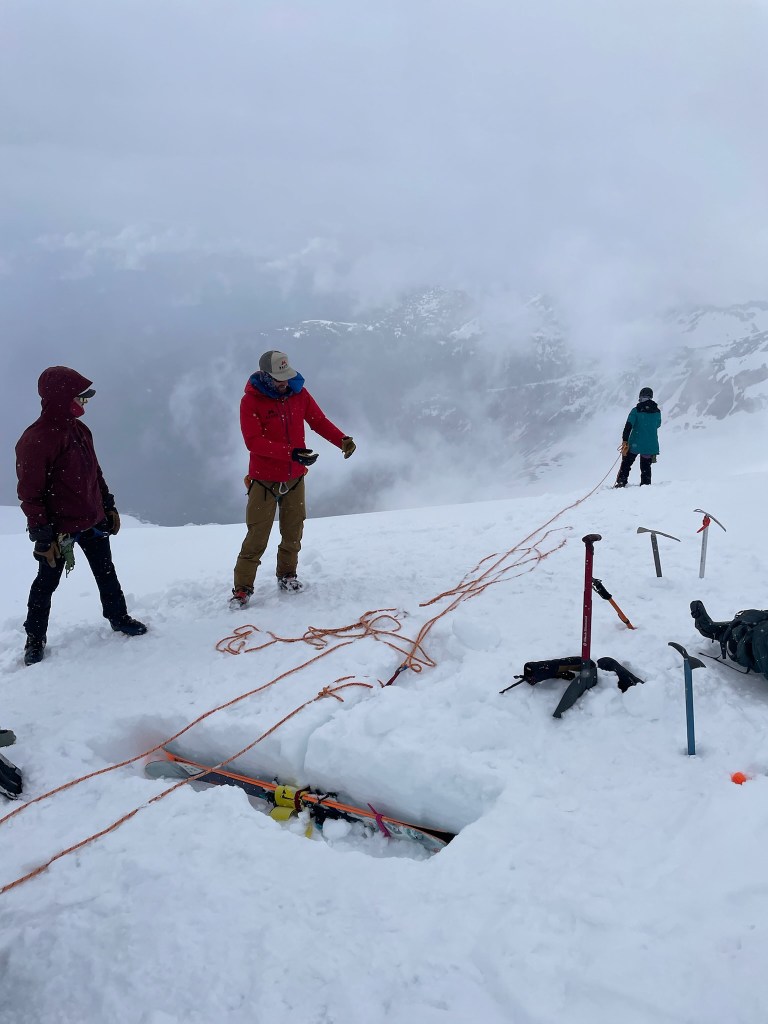
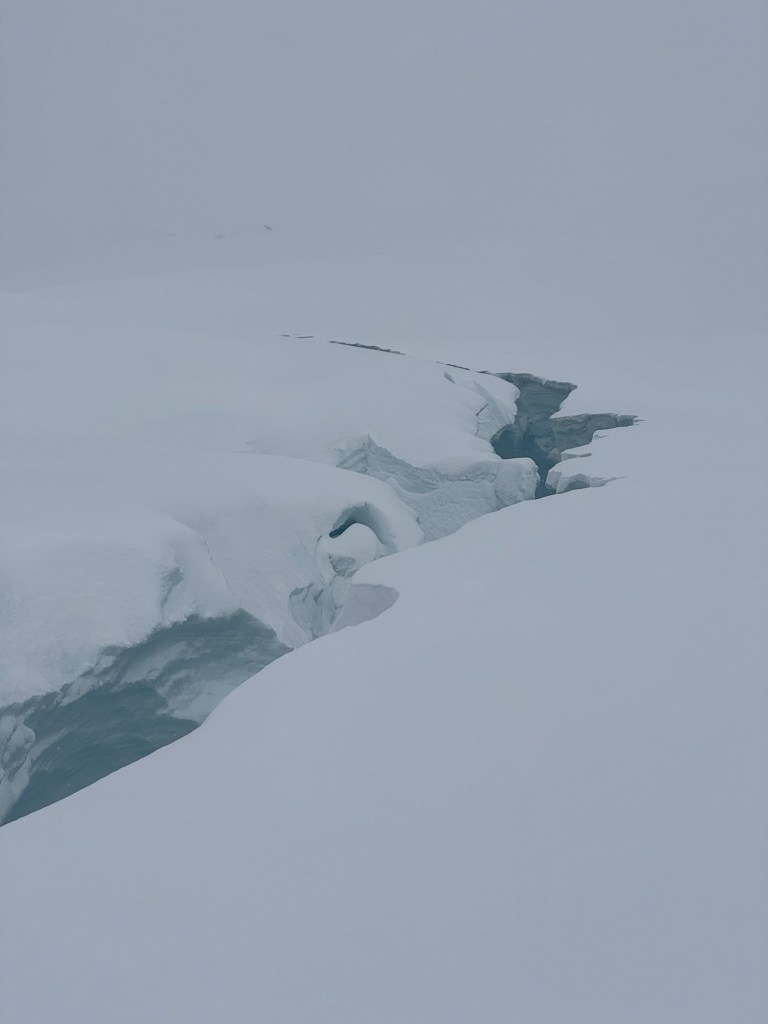
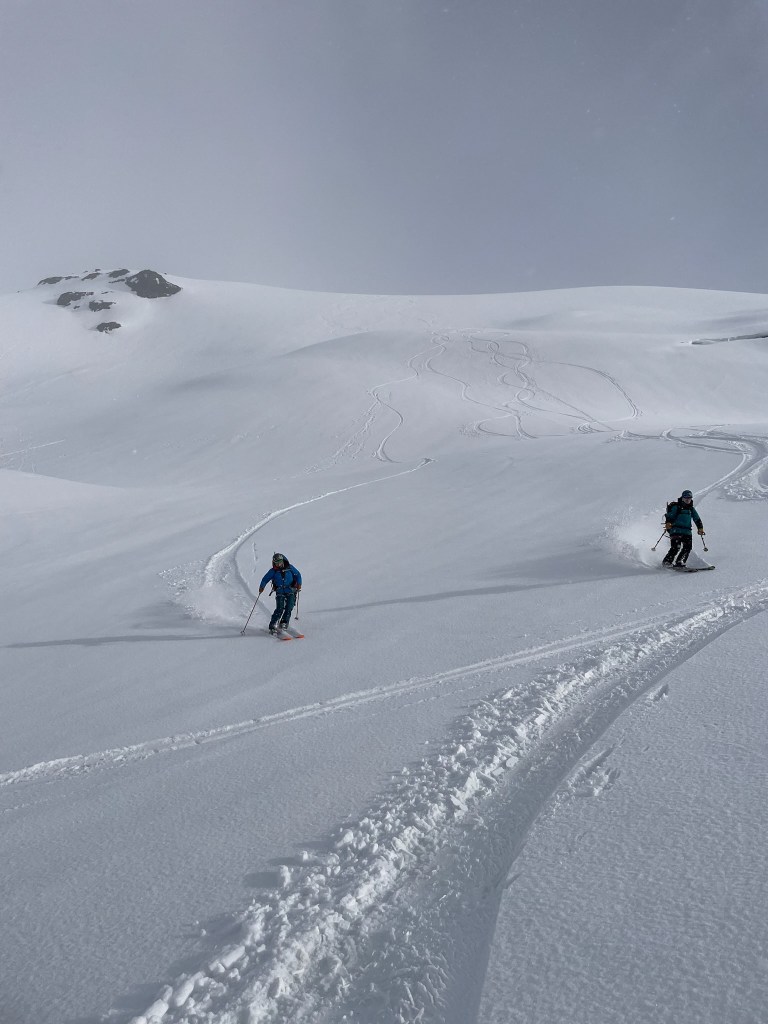
On this day we had the luxury of doing a mock rescue, where one volunteer would step off and into the crevasse. Tanner was the guinea pig, while myself and Trevor stood ready to catch him with our axes. John gave the signal and he awkwardly sunk into the abyss while Trevor and I leapt to the ground and dug in. Catching a fall was not as bad as I expected, but the aftermath seemed impossibly difficult. The rest of the group in theory would have to construct a new deadman anchor with skis, then hook up the rope before I could get out from my position clenching the ice axe. Rigging this up and hauling Tanner out was still pretty fun, but I still could not imagine how difficult a real experience would be. At this point it was getting late in the day and we started making our way back down the glacier. Weather was surprising clearing just a little bit and this made for a pretty surreal descent. It was snowing periodically throughout the day and allowed for big arching turns down good snow. In the foreground was a spectacular view of the alpine environment and skiing down felt like we were on a different planet. Anywhere you looked were vast stretches of white with a cloud layer below. As we made it towards camp, the last thousand feet or so was prime powder and we all got a spectacular party lap right to our tents. This was the best consolation prize we could have gotten and immediately we all were thinking of a second lap. It was a little past 7 at that point, so we quickly put our skins back on and headed up the ridge once more. This was probably my favorite part of the whole trip as we got glorious views of the Thunder Glacier to our right and Mt. Baker’s summit to our left. Clouds peaked in and out until we eventually snagged some momentarily crystal clear views of the area. As we basked in the view, we quickly transitioned one last time and got ready for a second powder lap. It was about 8pm in the middle of May and here we were skiing some pristine snow with great friends right back to camp. Even though we didn’t summit, this was such a great gift for an otherwise uncertain weekend.
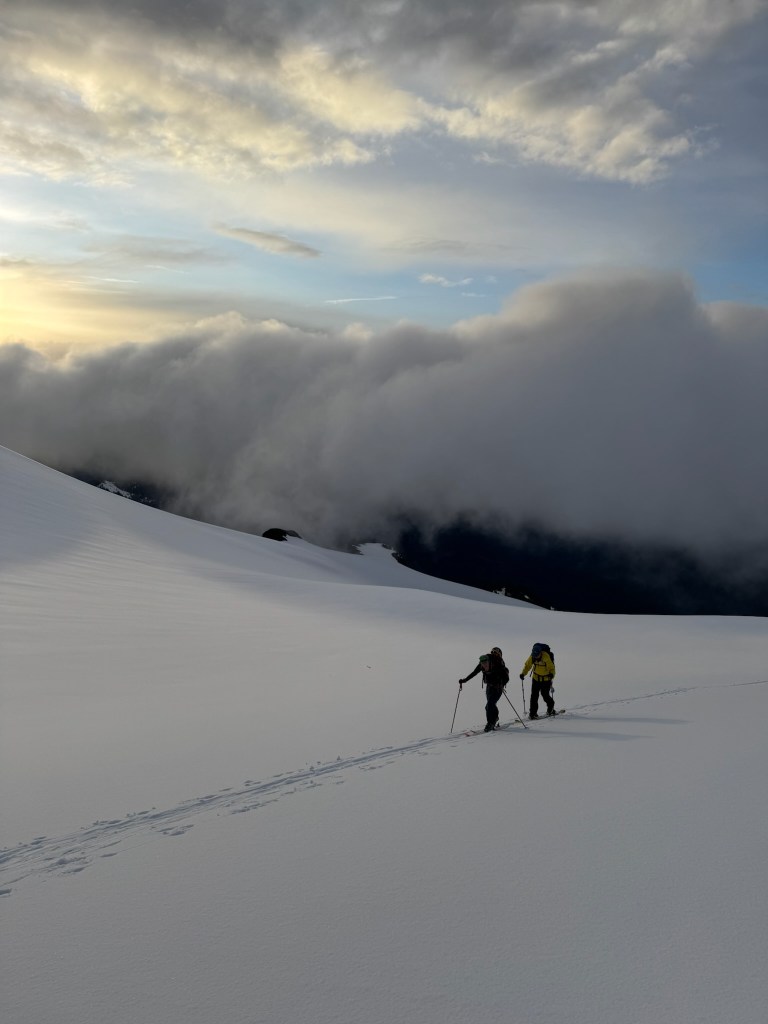
That night we chatted about the highs and lows of the day while munching on our dinner at the kitchen. We didn’t think the summit was a great option for the next day either, so instead we opted for another round of rescue practice and an afternoon exit to the trailhead. The next day we did exactly that and this time Meredith opted to experience the leap into the crevasse. It was pretty rare to get to practice on a real glacier in this fashion, so we all appreciated the second chance to hone in our skills. This time we made quick work of the rescue as we only had until about 2pm to make it back to camp. This time we also got some good turns in on the way down before starting to pack up for the day. We filled in the big kitchen holes and then awkwardly packed our loads into backpacks for the way down. Surprisingly this turned out to be one of the sketchier experiences of the weekend. Skiing down with a 50+ pound bag made for unsteady and difficult turns down the gully. I was extra careful not to hurt my knees, but knew the others in my group who were less experienced would have a tough time. Thankfully we made it down without any issues (later Sof did wind up tweaking a knee) and started back down the trail. My shoes at this point were still pretty soaked, but it was only a few miles all downhill. Before we knew it, we were all back at the trailhead in one piece. Mt. Baker stool tall above the clouds at this point and we could finally see it peaking above the trees. After distributing our gear back to John, we then made our way to a local brewery in Bellingham for some earned drinks and food. We shared stories with Ryan and Sof’s partner, who were waiting there for us to return. All of us were stoked from the experience and glad to be back to civilization. Trevor, Tanner, and myself would fly out the next morning so afterwards we headed back to their house for an early sleep.

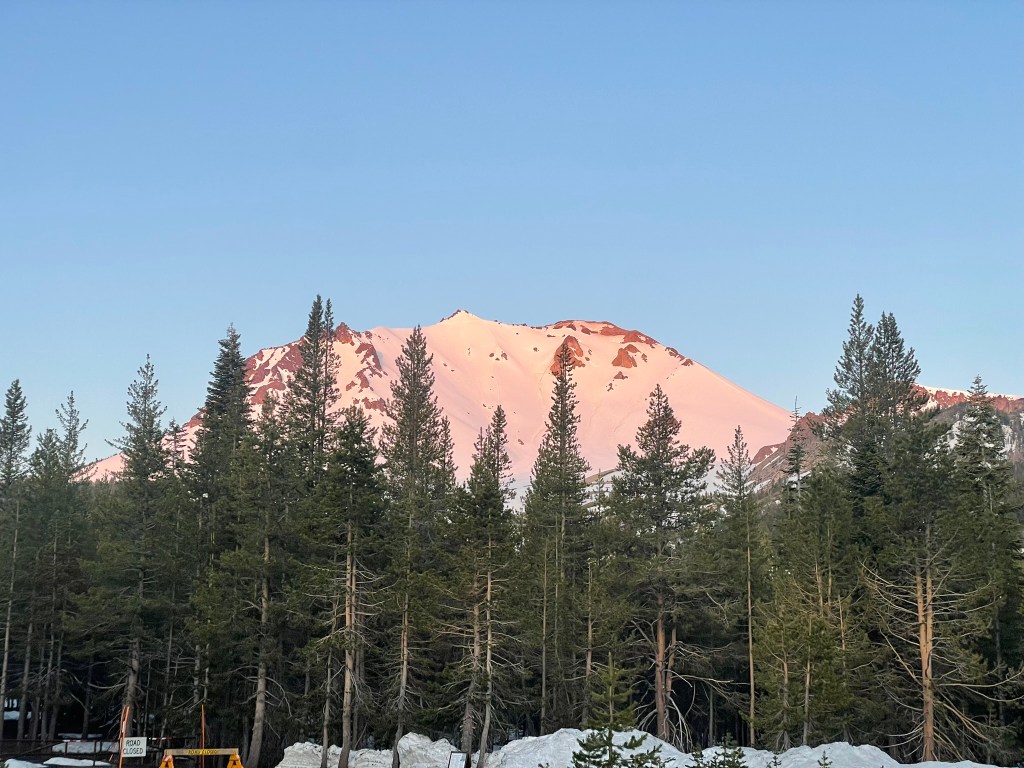
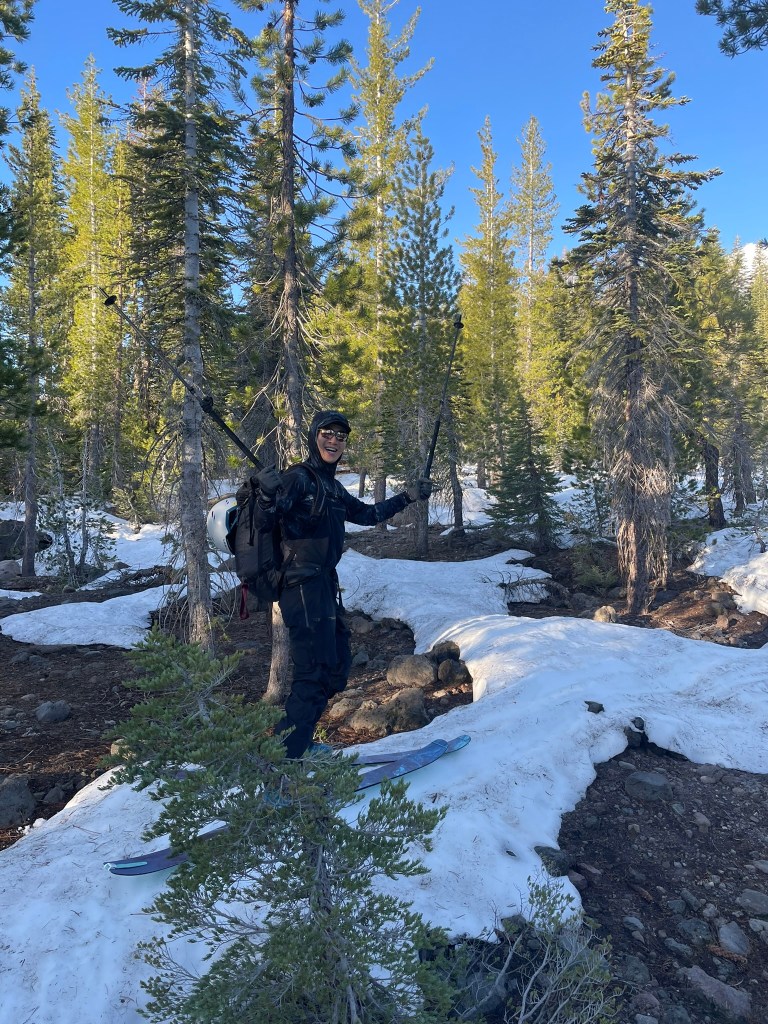
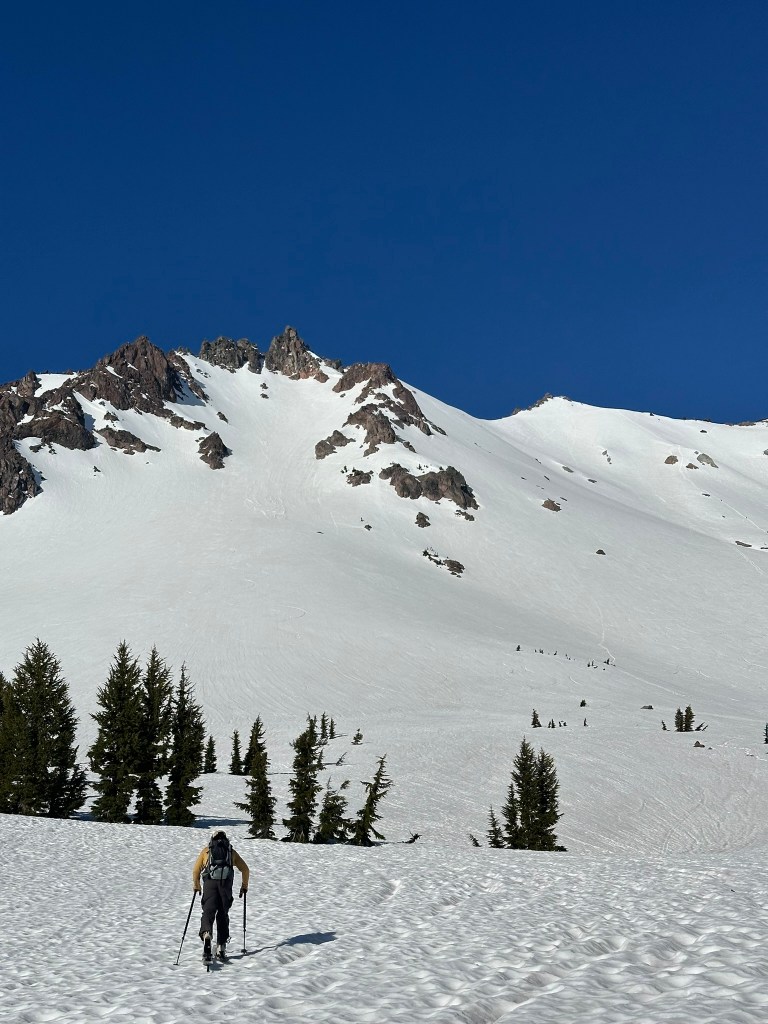
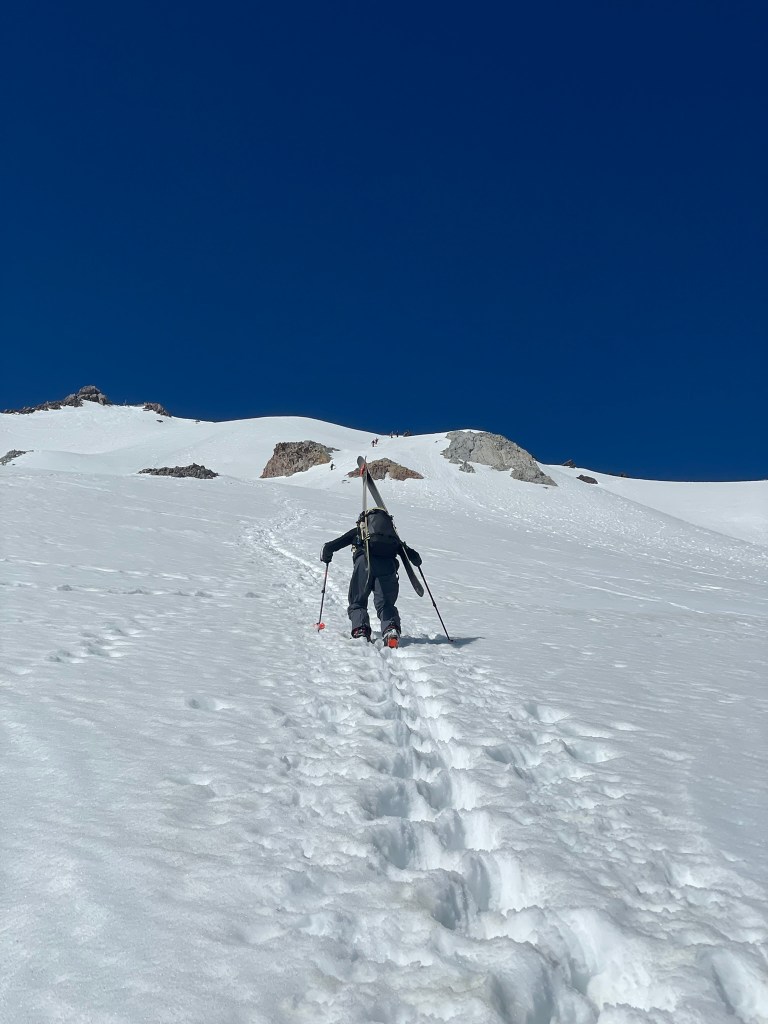
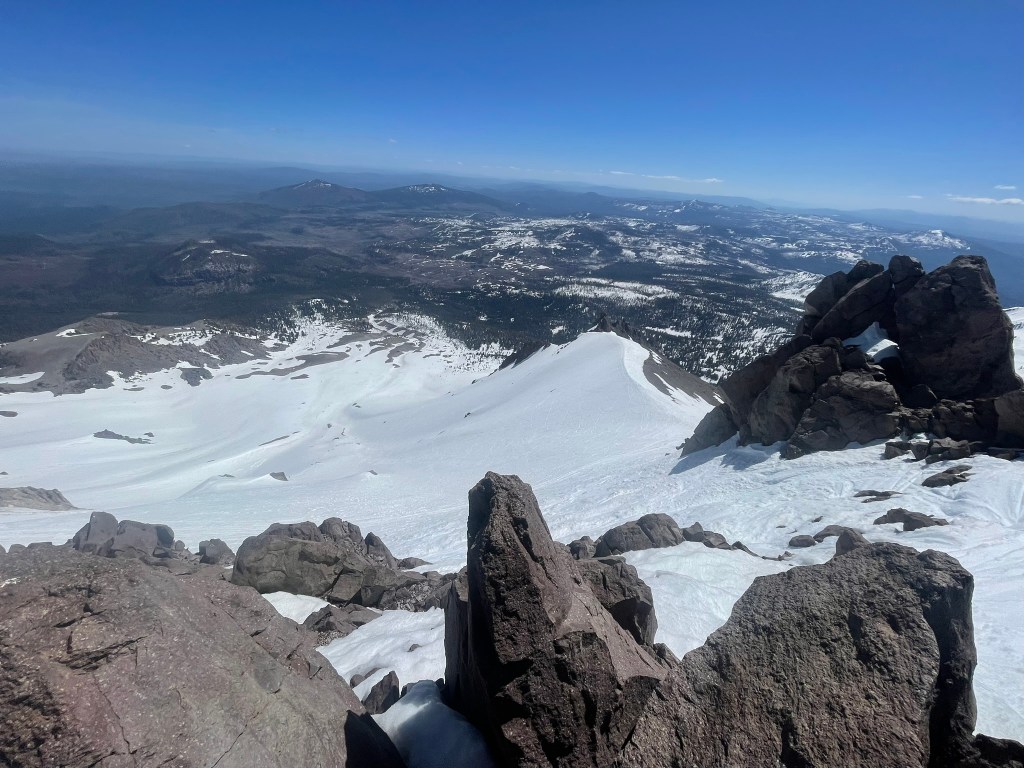
The whole experience learning about glaciers, snow camping, and rescue on Baker was all I could have asked for. We got more than we bargained from the skiing even if the summit would have to wait for another year. We also all clicked as a group and made some great memories for years to come. Sometime in the future we could take these efforts to bigger mountains and expand the envelope for adventures on skis. For this year, I was mostly done with volcano skiing. Except for the fact that about a month later I had the opportunity for a blitz trek to Lassen peak near the Bay Area. Long story short: my friend Hao and I drove out on a Friday night, slept at the trailhead, and did a lap and a half on California’s southernmost volcano all before 1 pm the next day. It was a great adventure to cap off the ski season and tick another volcano off before the next year.
 Max's Blog